Project Milkweed 2026
FREE Pollinator Seeds for Tennessee Residents
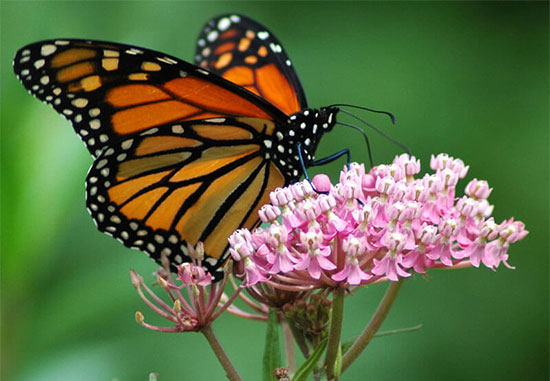
Help Tennessee’s Pollinators Thrive
Choose from two FREE seed options:
🦋 Native Milkweed Seeds
The only host plant for monarch caterpillars. more info
🌼 Pollinator Seed Blend – New for 2026
Available only with a milkweed seed request.
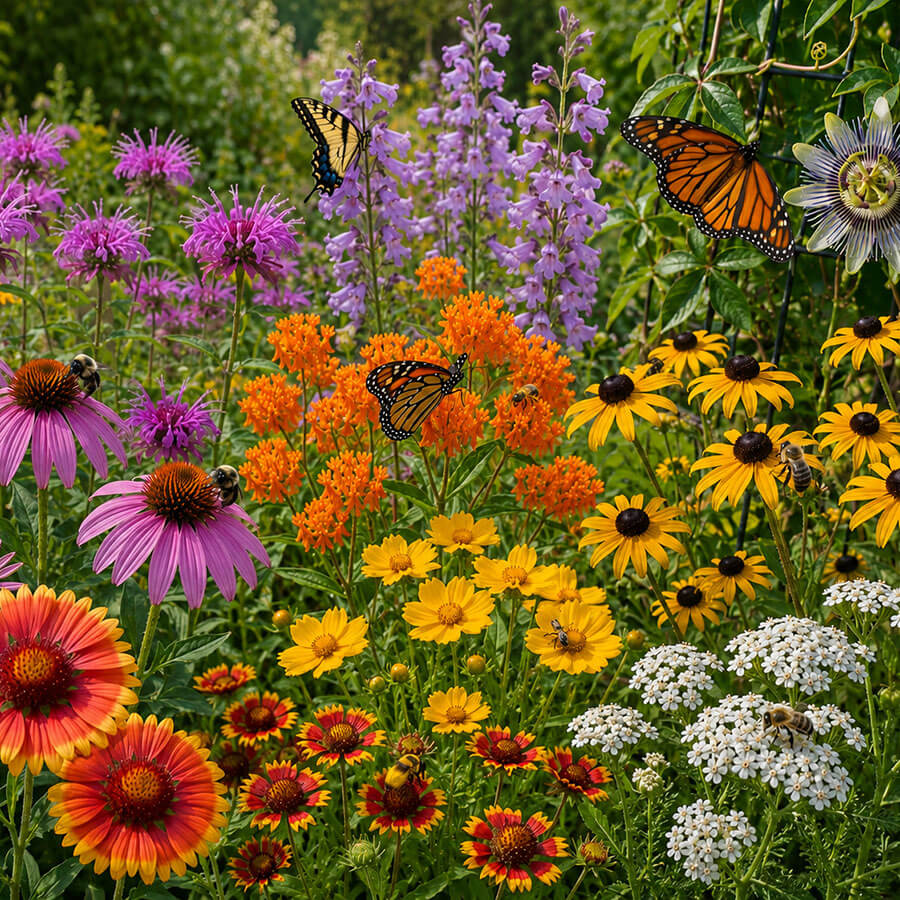
This blend will include 10 native flowers/herbs: Bee Balm (Monarda fistulosa), Butterfly Milkweed (Asclepias tuberosa), Purple Coneflower (Echinacea purpurpea), Black Eyed Susan (Rudbeckia hirta), Beardtongue (Penstemon digitalis), Lance-Leaf Coreopsis (Coreopsis lanceolata), Passion Flower (Passiflora), Blanket Flower (Gaillardia aristata), White Yarrow (Achillea millefolium), and Firewheel (Gaillardia puchella). more info
Join thousands of Tennesseans who are creating healthier landscapes—one garden at a time. Complete the form below to order your free seeds.
2026 Milkweed Seeds Order Form
Seed Quantity: 1 Packet = 20 seeds = 9 square feet or 3′ x 3′ garden
All seeds will be shipped in late summer to early fall.
We want to hear from you!
Did you plant TDOT milkweed seeds last year? We want to hear your story! 🌱✨ Follow us on Instagram, Facebook or X and share your journey and photos with us. Let’s celebrate your green thumb and the monarch butterflies together! 🌸🦋 📸 You can do this by direct messaging us or by posting and using the hashtag #TDOTProjectMilkweed!
Two Milkweed Seed Species:

Red Milkweed – Asclepias incarnata
For small gardens. Plant in the fall.
Red Milkweed – Asclepias incarnata, also called swamp milkweed, is an erect, clump-forming, native perennial which is commonly found in swamps, river bottomlands and wet meadows. Stems exude a toxic milky sap when cut. Flowers are followed by attractive seed pods (to 4″ long) which split open when ripe releasing silky-haired seeds easily carried by the wind. Flowers are very attractive to butterflies as a nectar source. Red milkweed is an important food source for the larval stage of Monarch butterflies.
+ more info
Spread: 2.00 to 3.00 feet- branching stems
Bloom Time: July to August
Bloom Description: White, pink, mauve flowers (1/4″ wide), each with five reflexed petals and an elevated central crown, appear in tight clusters (umbels), fragrant
Leaves: narrow, lance-shaped, taper-pointed leaves are 3-6″ long.
Sun: Full sun
Water: Medium to wet
Maintenance: Low
Suggested Use: Small Gardens, Naturalize, Rain Garden
Flower: Showy, Fragrant
Attracts: Butterflies
Tolerate: Deer, Clay Soil, Wet Soil
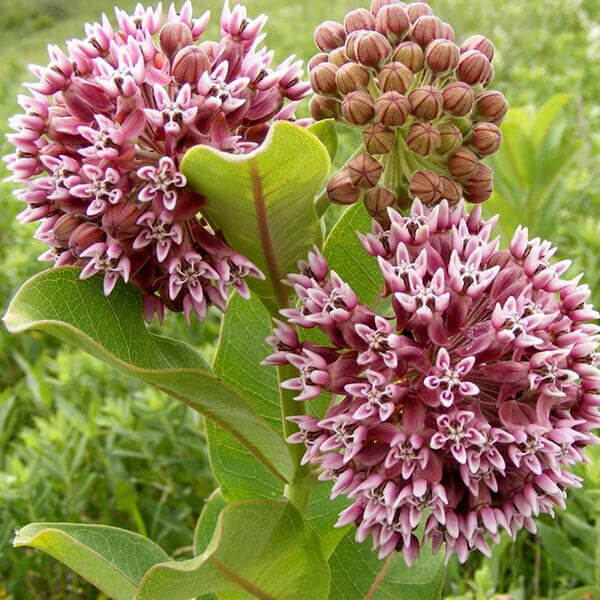
Common Milkweed – Asclepias syriaca
For large areas. Plant in the fall.
Common Milkweed – Asclepias syriaca is a native perennial which occurs in fields, open woods, roadsides and along railroad tracks throughout much of North America. Stems and leaves exude a milky sap when cut or bruised. Flowers give way to prominent, warty seed pods (2-4″ long) which split open when ripe releasing their numerous silky-tailed seeds for dispersal by the wind. Seed pods are valued in dried flower arrangements. Flowers are a nectar source for many butterflies and leaves are a food source for monarch butterfly larvae (caterpillars).
+ more info
VERY AGGRESSIVE. Easily grown from seed and will self-seed in the landscape if seed pods are not removed prior to splitting open. Can spread somewhat rapidly by rhizomes. Often forms extensive colonies in the wild which provide great benefit to Monarch and other butterfly species.
Height: 2.00 to 3.00 feet tall on stout, upright stems with thick, broad-oblong, reddish-veined,
Spread: 0.75 to 1.00 feet
Bloom Time: June to August
Bloom Description: Pink, mauve, white
Leaves: green leaves (to 8″ long).
Sun: Full sun
Water: Dry to medium. Drought tolerant.
Maintenance: Low. Does well in poor, dryish soils.
Suggested Use: Naturalize
Flower: Showy, Fragrant
Attracts: Butterflies
Fruit: Showy
Tolerate: Deer, Drought, Erosion, Dry Soil, Shallow-Rocky Soil
NEW! Pollinator Seed Blend:
Pollinator Seed Blend
For large areas. Plant in the fall.
This blend will include 10 native flowers/herbs: Bee Balm (Monarda fistulosa), Butterfly Milkweed (Asclepias tuberosa), Purple Coneflower (Echinacea purpurpea), Black Eyed Susan (Rudbeckia hirta), Beardtongue (Penstemon digitalis), Lance-Leaf Coreopsis (Coreopsis lanceolata), Passion Flower (Passiflora), Blanket Flower (Gaillardia aristata), White Yarrow (Achillea millefolium), and Firewheel (Gaillardia puchella). Plant these seeds in large areas in April/May or after the last frost, and watch them come back year after year!
Planting & Maintenance — Residential & More
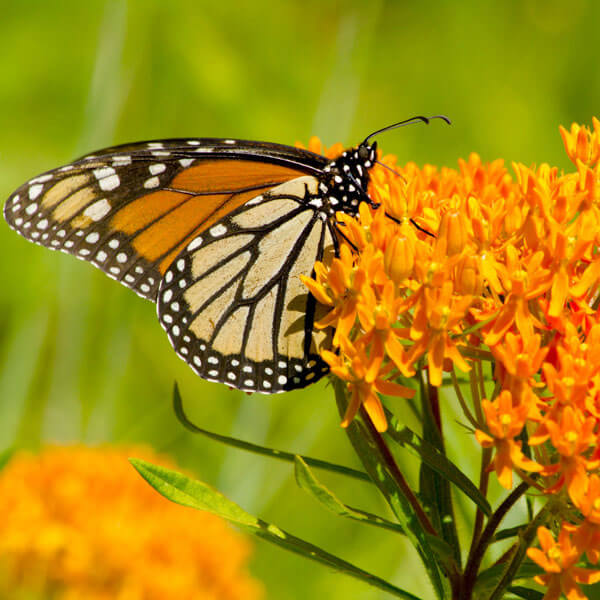
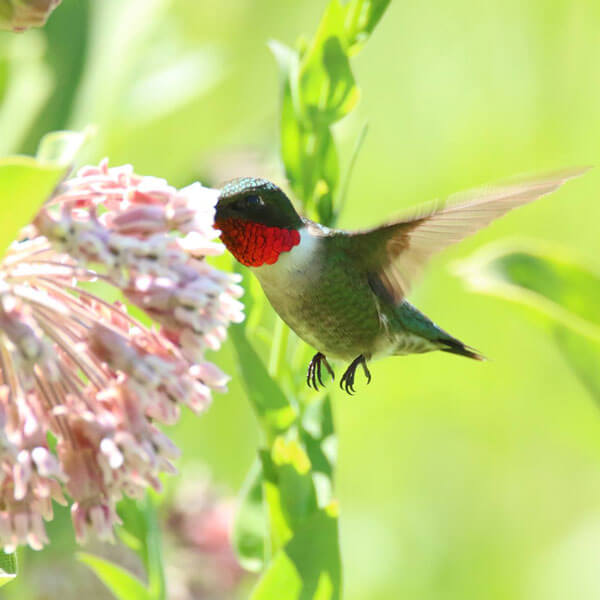
Milkweed Planting & Maintenance
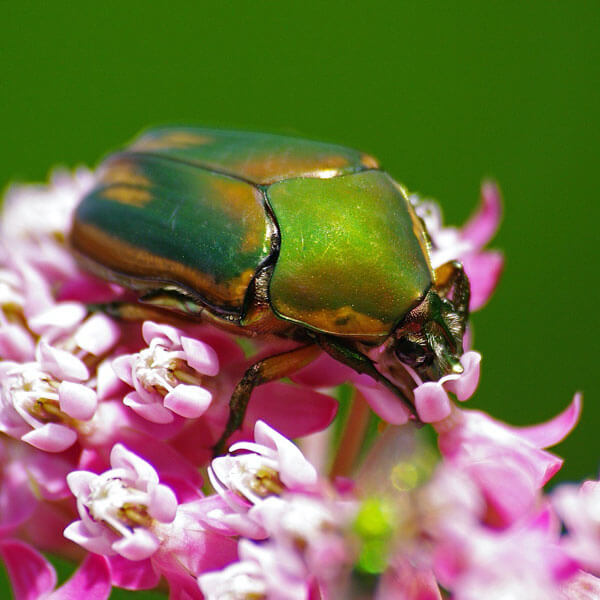
Additional Resources
- Guide to Exceptional Tennessee Pollinator Plants
- Residencial Planting – West Tennessee
- Residencial Planting – Middle Tennessee
- Residencial Planting – East Tennessee
- Residencial Pollinator Habitat Checklist
- Residencial Pollinator Q & A
- Landscaping with Native Plants
- Landscaping with Native Evergreens
- Tennessee Department Of Transportation Landscape Design Guidelines
Photo by Marty Silver
Myth Busting: Milkweed Misconceptions
Myth #1: Milkweed as an Invasive Weed
Milkweed is a beneficial native wildflower. Despite its name, over 100 native milkweed species in the US are not classified as “noxious weeds.” Planting local species and understanding growth patterns prevents takeover.
Myth #2: Monarch Caterpillars eat more than Milkweed
Monarch caterpillars exclusively feed on milkweed. Eggs laid on other plants lead to starvation. Female monarchs choose milkweed for survival.
Myth #3: Milkweed is only useful to Monarchs
Milkweed supports various species with nectar and as a food source, including milkweed bugs.
Myth #4: Toxicity and Planting
Milkweed contains toxins harmful to animals. However, most animals won’t eat it unless good forage is scarce because it tastes bad.
Handling tips:
- Use gloves and wash hands.
- Exclude from grazing animals’ hay.
- The toxicity level of Red Milkweed (Asclepias incarnata) and Common Milkweed (Asclepias syriaca) are in the “low to medium” range. The effects are generally not severe unless consumed in large quantities.
- Educate children about the plant’s toxicity and to not eat it or touch their eyes after handling.
- Avoid ingestion or contact with these plants, especially for pets and livestock, as even lower levels of exposure can cause potential health issues.
- If there’s any concern about exposure, it’s a good idea to consult a veterinarian or a medical professional.
Planting Milkweed Aids Monarch Conservation.
Dispel Myths, Spread Milkweed, Save Monarchs!
About The Monarch
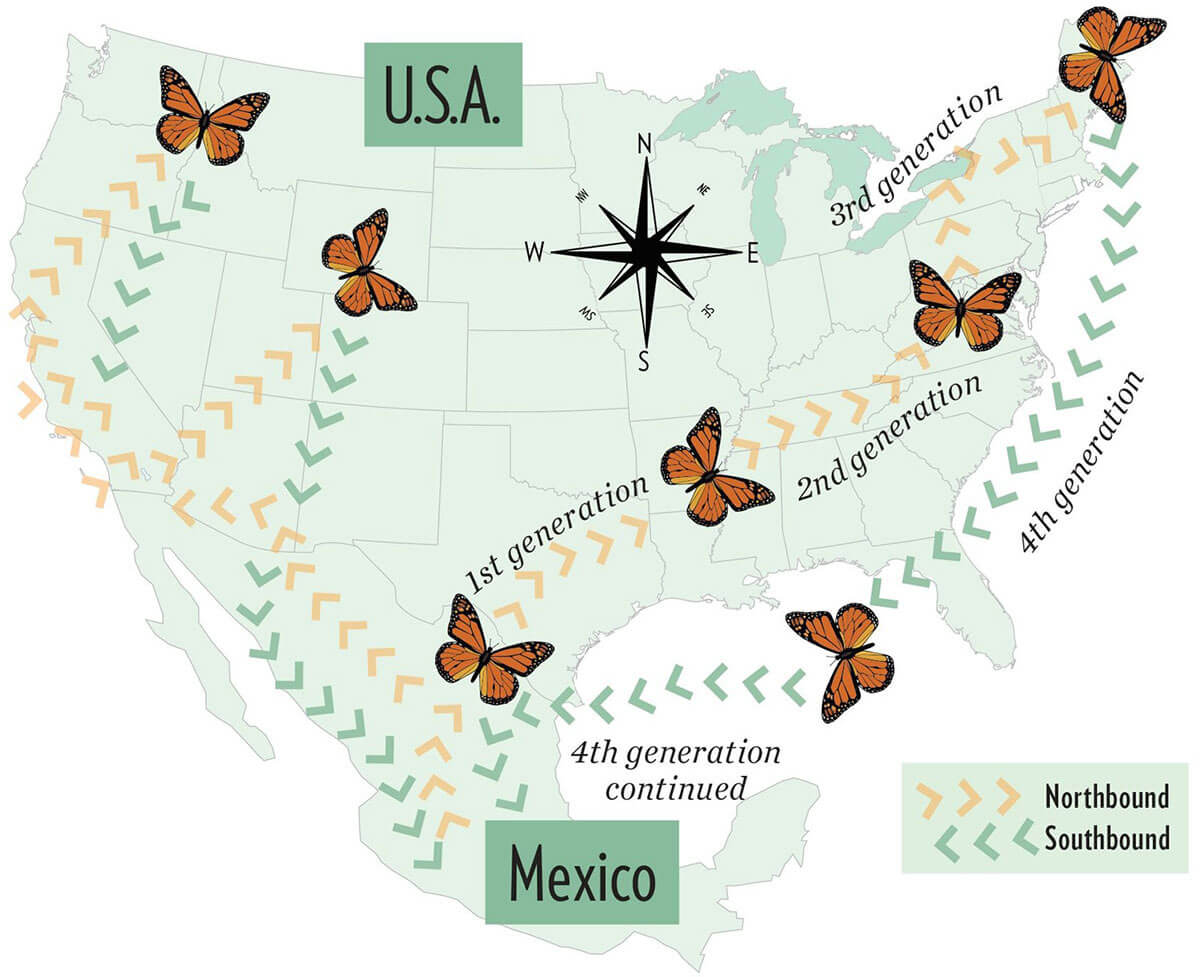
To discover more about the extraordinary life of monarch butterflies, please explore the following resources:
The Life Cycle
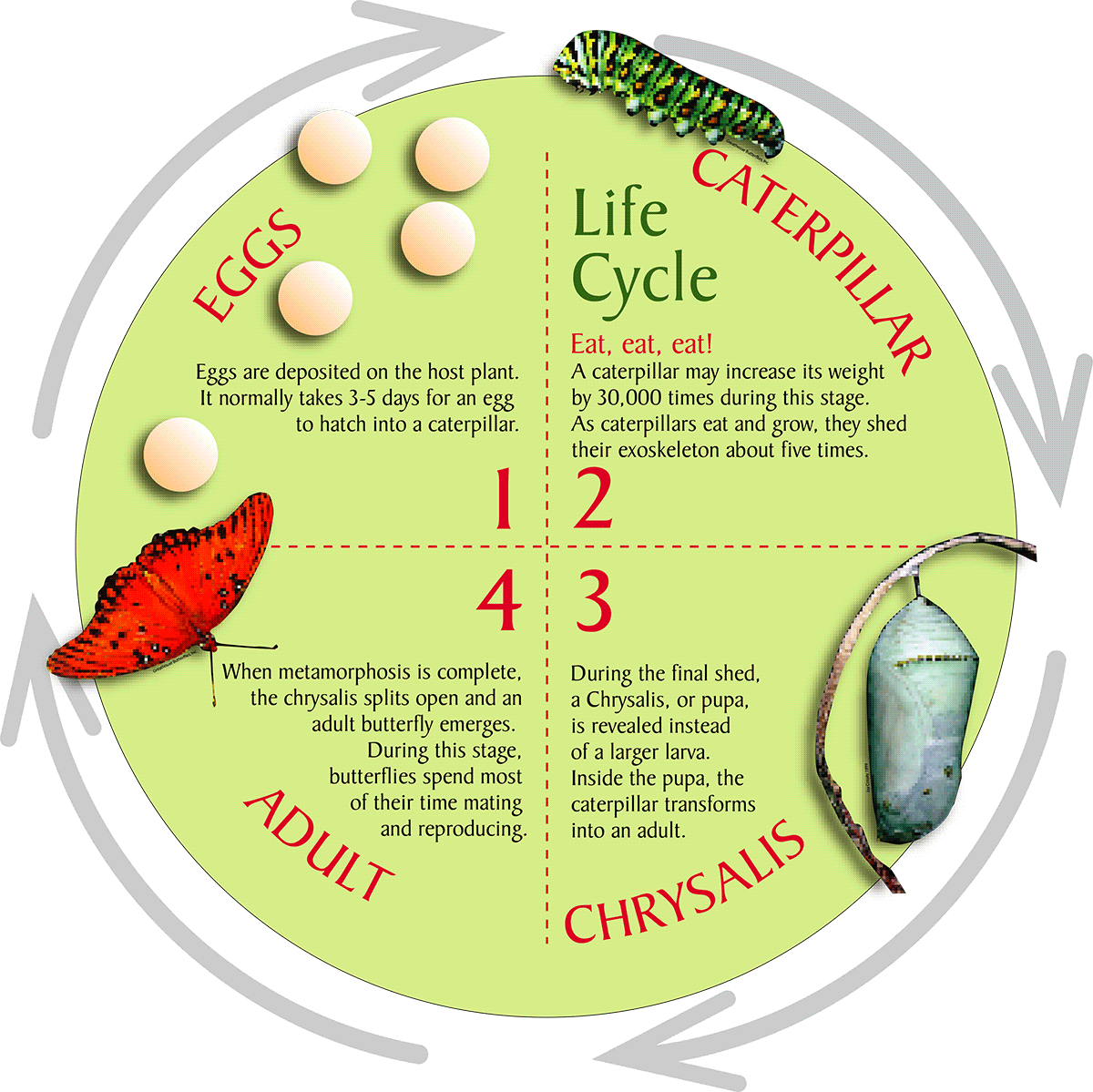
The Great Migration